What is Gumboro Disease or Infectious Bursal Disease (IBDV)?
The cause of Gumboro disease is the Infectious Bursal Disease Virus (IBDV), which primarily affects young chickens. The disease was first identified in the Gumboro region of Delaware, USA. It is a type of Birnavirus that targets the lymphoid cells within the cloacal bursa, tonsils, and spleen. The virus’s attack on the cloacal bursa weakens the bird’s immune system and can even lead to its death.
The Role of the Bursa of Fabricius
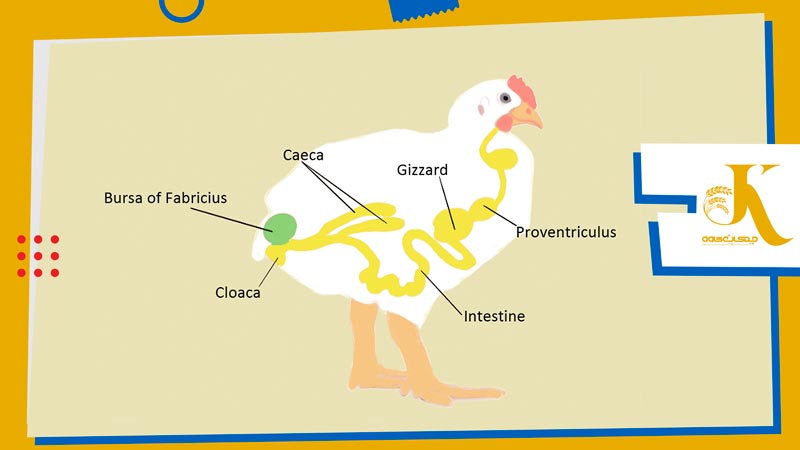
The bursa of Fabricius (Latin: bursa cloacalis or bursa fabricii) is a small, white gland located at the end of the bird’s digestive tract. It is a specialized organ that is essential for the development of B-cells, which are a vital part of the immune system. This organ is unique to birds.
Within the bursa, stem cells acquire the characteristics of mature, immunocompetent B-cells. The bursa is active in young birds but atrophies (regresses) after about six months.
In 1956, Bruce Glick demonstrated that removing the bursa in newly hatched chicks severely disrupted their antibody production. This showed that the bursa is crucial for antibody production in birds. During the embryonic period and the first 10 weeks of a chick’s life, immune system cells produced in various lymphoid organs enter the bursa of Fabricius. In this organ, they produce antibodies to fight off disease-causing agents.
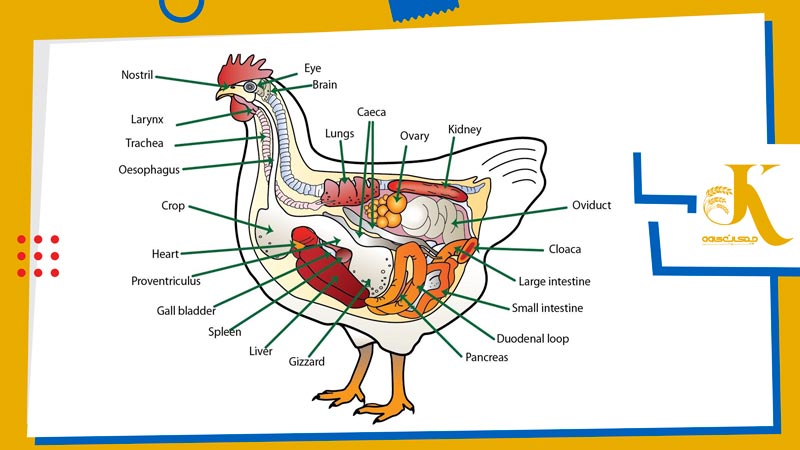
If a chick is infected with Infectious Bursal Disease during its first few weeks of life, the virus’s replication will destroy the bursa of Fabricius. As a result, the bursa loses its ability to program lymphocytes and fight disease, leading to a weakened immune system. This is why Gumboro disease is also known as “chicken AIDS“.
Therefore, if the bursa of Fabricius can be protected from diseases for at least the first three weeks of life, a sufficient number of mature, programmed lymphocytes will be produced, and the immunosuppressive effects of Infectious Bursal Disease will be minimized.
Transmission Methods and Causes of Infectious Bursal Disease
The vectors for this disease are wide-ranging and include wild birds, vermin, and contaminated environments and equipment. Infectious Bursal Disease spreads through contaminated feces, water, and feed. However, there is no evidence of vertical transmission of Gumboro disease from parents to their chicks. Fortunately, no cases of Gumboro disease have been reported in humans to date.
Initially, this disease primarily targeted broiler flocks. In 1987, a dangerous strain emerged in Europe that also severely affected breeder flocks. Today, flocks are widely vaccinated based on their level of viral exposure, especially those kept under high biosecurity that have not been exposed to the disease.
Among broiler breeds, the Italian Leghorn has less resistance to Gumboro disease and remains susceptible until 18 weeks of age. Older birds are more resistant to the disease because, as previously mentioned, their bursa atrophies as they grow and mature. The bursal virus is shed by infected birds within 10 to 14 days.
In Denmark, extensive studies have been conducted on subclinical diseases like IBDV and other viral diseases and their impact on broiler production. The results show that breed, diet, population density, and feed content can all be contributing factors to a flock’s infection with Gumboro disease.
Causes of Gumboro or Infectious Bursal Disease in Poultry
Neutralizing antibodies against Infectious Bursal Disease develop more slowly in newborn chicks. Wrold and Davidson stated in 1997 that chicks are more susceptible due to a weaker immune system, blood factors, and cytokine release. In broiler chicks, the disease primarily appears in the 3rd and 4th weeks.
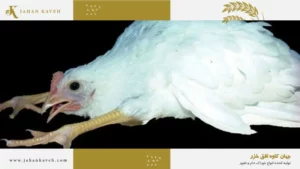
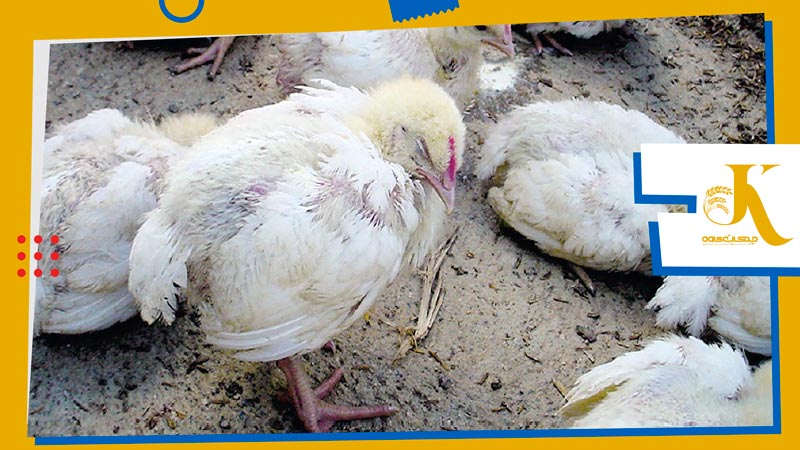
The acute clinical signs include watery white diarrhea and dirty vents. Affected birds may also show symptoms such as ruffled feathers, closed eyes, listlessness, and loss of appetite.
Clinical Signs Gumboro in Poultry
Damage caused by Gumboro disease to chickens includes swelling of the bursa of Fabricius and hemorrhaging in the thigh and breast muscles. Depending on the IBDV strain and the presence of maternal immunity, the disease can manifest as a clinical or subclinical illness in chicks.
In general, the clinical signs of Infectious Bursal Disease include:
- Depression, drowsiness, and listlessness
- Watery urate diarrhea (white, watery diarrhea)
- Ruffled feathers
- Dehydration
- Closed eyes
- Loss of appetite
- Head tremors
- Lameness
Post-mortem lesions from the bursal disease include a swollen bursa.
Gumboro Disease or Infectious Bursal Disease Severity
The severity of Gumboro disease depends on the virulence of the virus, the levels of maternally derived antibodies (MDA), age, and breed. In broiler flocks, the mortality rate is typically around 20%, but peak Gumboro mortality can reach up to 50%. The infection typically peaks after 3 to 5 days. The incidence of this bursal disease in laying flocks can reach as high as 80%.
A decrease in maternal antibody levels makes the flock more susceptible to the disease, especially to new and dangerous strains. For this reason, after checking the level of the Infectious Bursal Disease virus (IBDV), breeders plan their vaccination programs to achieve the highest possible level of immunity.
Economic Impact
The economic impact of Infectious Bursal Disease Virus (IBDV) includes:
- Direct mortality, with peak Gumboro losses potentially exceeding 40%.
- Secondary infections, which negatively impact production efficiency due to a compromised immune system.
Duration of Gumboro Disease in Poultry
The duration of the disease depends on the time of diagnosis, the type of virus, and the severity of the Gumboro disease itself. If you detect the disease in your birds early, you can have a significant impact on their recovery. The illness can resolve in some chickens and birds in less than 7 days, but in others, it may take up to two weeks.
Treatment and Medication for Gumboro Disease
There is no successful cure for Gumboro disease or the Infectious Bursal Disease virus. Once an outbreak occurs, there is no specific medication to treat it, as it is a viral illness that must run its course. However, using vitamins and certain antibiotics may help reduce symptoms in the birds and aid in their recovery.
Given the risk of infection, vaccination is the best course of action. This is especially crucial since the virus is resistant to many common disinfectants.
Biosecurity and Disinfection Protocols
The following measures are generally recommended for disinfection after an outbreak of this and other infectious diseases:
- The building must be placed under complete quarantine, and unauthorized entry should be prevented.
- All areas and bedding that have been in direct contact with the birds should be sprayed with a suitable disinfectant at the appropriate concentration.
- Sick birds must be removed from the building and may need to be burned or buried to prevent any potential contact with other birds.
- All equipment and tools should be disinfected, ideally inside the poultry house. Afterward, they should be taken outside and aerated.
- The floor and the lower parts of the walls should be thoroughly washed with detergents.
- After washing, all areas and equipment should be cleaned with disinfectants capable of killing all types of existing pathogens.
- In cases of severe viral diseases, it may be necessary to remove several inches of the soil around the poultry house or to use a flame torch and quicklime. This is not a common practice but depends on the opinion of a poultry expert.
- All disinfection protocols must be followed for both the farm and its personnel.
Control and Prevention of Gumboro Disease or Infectious Bursal Disease in poultry
Vaccination is the most effective prevention method for Gumboro or bursal disease, just as it is for other viral diseases. This can be done either through vaccination of the parent flock to provide maternally derived antibodies (MDA) or through active immunity by directly vaccinating the broiler flock.
It’s important to note that vaccination policies against Gumboro disease can vary depending on the severity of the outbreak in the region and the specific viral strain.
Best Practices for Gumboro Disease Control
Based on current knowledge, these are some of the best practices for fighting Gumboro disease:
- If there’s a risk of Gumboro, all birds should be vaccinated at one week of age.
- Establish a uniform protocol across your poultry flock.
- Adhere to all hygiene principles and standards.
- Store chicken manure for at least 3 months before spreading it.
- Do not store manure within the poultry farm area.
- Prevent manure from coming into contact with environmental contaminants.
Types of Gumboro and Infectious Bursal Disease Vaccines and Their Administration Timing
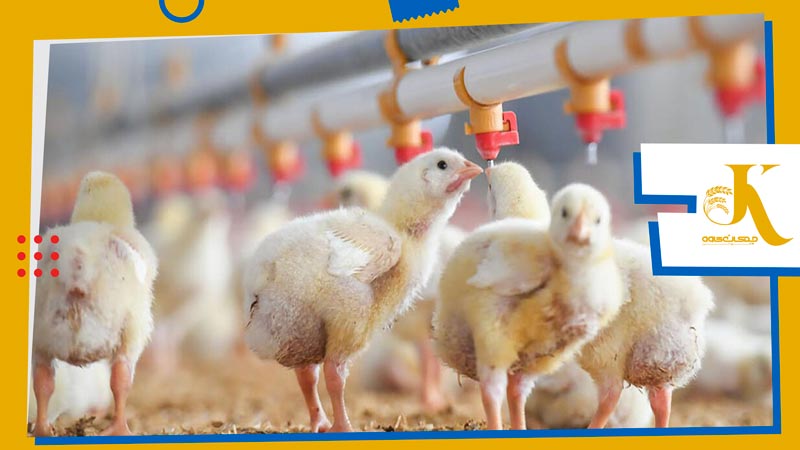
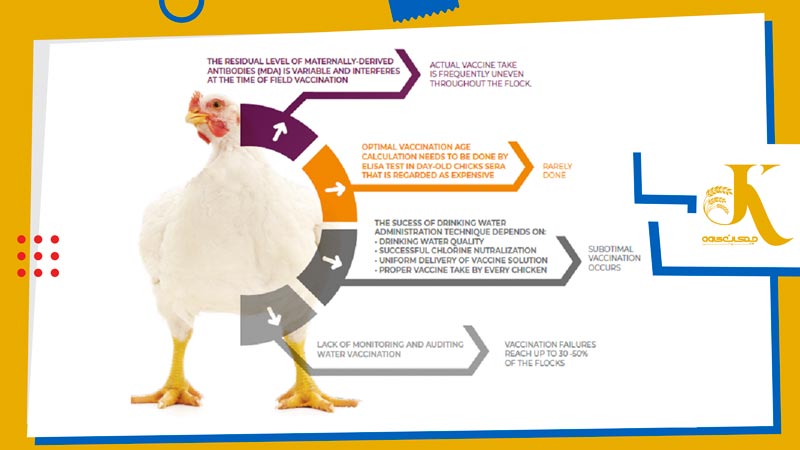
One vaccination method involves using a live vaccine for birds aged 12 to 21 days. Depending on its type, the live vaccine can be administered either through the chicks’ drinking water or as an eye drop. For stronger immunity, a live vaccine might be used at 4 to 10 weeks of age, followed by an inactivated, oil-based Gumboro vaccine at around 16 weeks. The reason for repeated vaccination in parent flocks is to ensure high levels of maternal antibodies (MDA). It is also crucial that vaccination in chicks is administered when MDA levels are low enough that they won’t neutralize the vaccine’s effect.
Virus Persistence and Prevention
This virus is difficult to eliminate from contaminated locations because it is a non-enveloped and very stable virus. Its high resistance and stability make eradication from a farm nearly impossible. In heavily contaminated areas, even with thorough disinfection, some viruses will survive.
For this reason, preventing contamination is generally better than treatment. A comprehensive biosecurity policy, including meticulous disinfection with formaldehyde and iodophors, can be effective in reducing the viral load and increasing the efficacy of vaccination.
Article: Ascites in Broilers
Is it recommended to vaccinate one-day-old chicks against Gumboro disease?
This practice does not harm the chick, but due to high levels of maternal antibodies during the first few days, they can neutralize the vaccine.
Despite being vaccinated against Gumboro disease, the flock has contracted the illness and even suffered mortality. What is the reason?
It’s likely that the vaccination occurred in the first few days, a time when the levels of maternally derived antibodies were still high and consequently neutralized the vaccine.
Article: Newcastle Disease Virus (NDV): From Symptoms to Treatment and Prevention
Is there a strain of the Gumboro virus in poultry that the Gumboro vaccine does not protect against?
All strains of the Infectious Bursal Disease virus belong to a single serotype, which is why the vaccine is effective against all of them. If a vaccination was not effective, as we mentioned before, it was most likely due to improper administration timing.
Can poultry Gumboro vaccines be administered via spray?
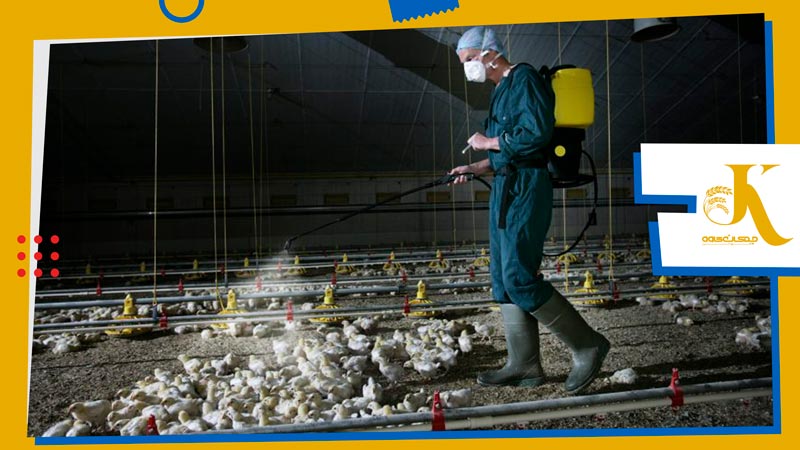
The preferred method is through drinking water, as this allows the virus to enter the digestive system. However, spray vaccination is an alternative method and can yield comparable results if performed correctly.
Article: Method of Mass or Drinking Water Vaccination in Poultry. This article will fully teach you how to perform drinking water vaccination for your flock.
At what age should chicks be vaccinated against Gumboro disease if I don't have access to a laboratory to measure antibody levels?
Without knowing the antibody level, any decision about vaccination is a big gamble. However, there are guidelines to increase the chances of a successful vaccination outcome.
Generally, broiler or layer chicks from parents that have been vaccinated against Gumboro have a maternally derived antibody titer of around 1000 to 8000 ELISA units. Based on this, guidelines from Gumboro experts specify the vaccination age for broiler and layer chicks against Gumboro disease for situations where laboratory access is not possible.
Note: Our strong recommendation for a definitive outcome is still to measure the poultry’s antibody levels in a laboratory.
What is a successful vaccination?
A successful vaccination means the vaccine has passed the maternal antibody barrier and entered the chicken’s bursa. With a successful vaccination using a live Gumboro vaccine, the chicken remains immune for 5 to 7 days. For this reason, two vaccinations with a 5-to-7-day interval are recommended.
An Overview of Gumboro or Infectious Bursal Disease in Poultry Infectious Bursal Disease (IBD, Gumboro, Chicken AIDS Virus)
Occurrence: Very common worldwide.
Susceptible Species: Primarily chicks, with Serotype 2 also affecting turkeys and ducks.
Transmissibility to Humans: None.
Age of Infection: Young birds (2-16 weeks).
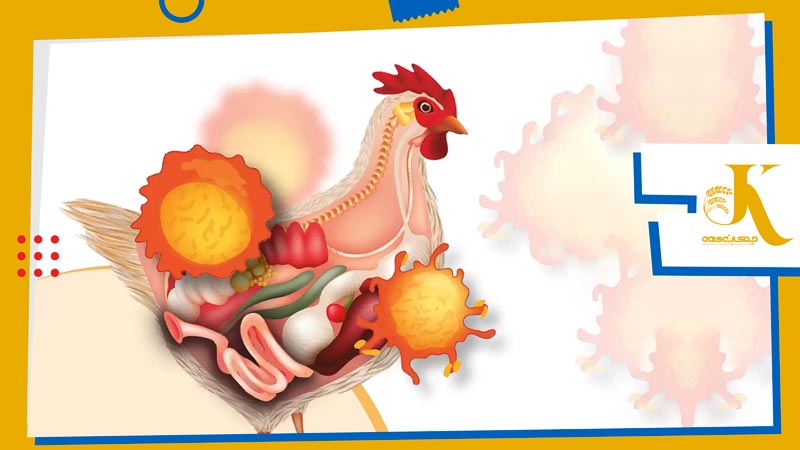
Causes: The Infectious Bursal Disease virus is a birnavirus. This virus is highly resistant and stable against physical and chemical agents. The disease is extremely contagious and is spread through contaminated feces, water, and feed. It destroys the immune system, which is why it is also known as the Chicken AIDS virus. The high resistance and stability of this virus make its eradication from a farm almost impossible.
Complications: Increased body temperature (111°F), watery urate diarrhea, anorexia, depression, ruffled feathers, head tremors, drowsiness, and lameness may occur. The disease has a morbidity rate of up to 50% in broiler chicks and up to 80% in the White Leghorn breed. The most common strain of this disease is the Hyper Virulent strain, which has a mortality rate of up to 100% and 80%.
Transmission Methods of Bursal Disease in Poultry
Bursal disease (IBDV) is transmitted through contaminated feces, water, and feed. Other vectors for this highly contagious and resistant disease include darkling beetles, larval worms, and rats.
Clinical Signs Bursal Disease in Poulty
Increased body temperature (111°F, equivalent to 44°C), watery urate diarrhea (watery white diarrhea), anorexia, listlessness, ruffled feathers, head tremors, drowsiness, and lameness.
References:
farmhealthonline.com
poultryhub.org
poultryworld.net
vemedim.com