
What is Green Muscle Disease in Poultry (Oregon Disease)?
Green Muscle Disease, also known as Oregon disease, or more precisely, Deep Pectoral Myopathy (DPM), is a metabolic and physiological condition in the poultry industry. This issue is predominantly observed in heavier, fast-growing broiler chickens and is a growing, hidden challenge for producers.
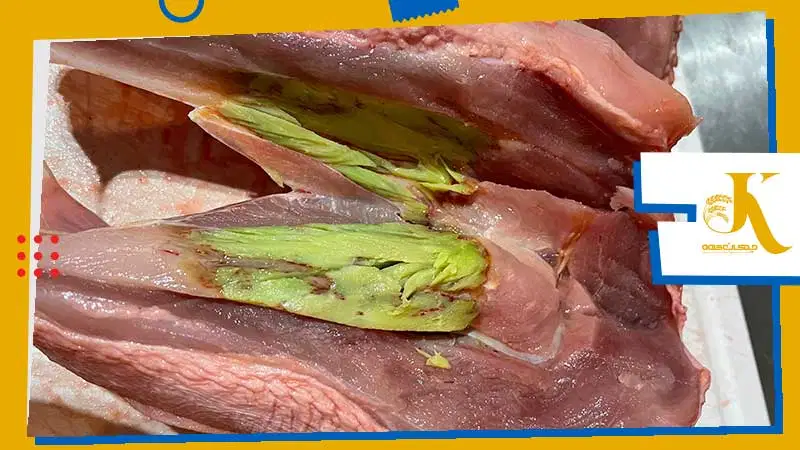
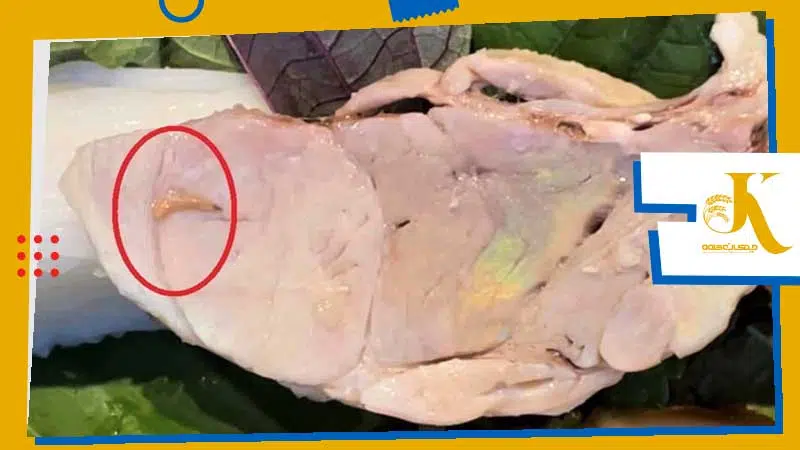
In this condition, a portion of the breast muscles (typically the smaller breast muscle, or Pectoralis minor, commonly known as the chicken breast tenderloin) becomes damaged. The primary cause is impaired blood supply and lack of oxygen to this muscle, resulting from intense physical strain and severe muscular stress (such as excessive wing flapping). This oxygen deficiency leads to necrosis (cell and tissue death) in the muscle tissue, causing it to discolor to green, gray, or brown.
It’s crucial to note that Deep Pectoral Myopathy does not directly affect the overall health of the bird on the farm, nor are any pathogens involved in its occurrence. This issue is primarily a physiological and quality defect. For this reason, green muscle disease is often not identified until the chicken is processed and portioned at the slaughterhouse. However, due to the discoloration and undesirable characteristics of the meat, it significantly reduces carcass quality and the economic value of the final product, as the affected portions are removed from the consumption chain. This poultry muscle disease has been reported in turkeys since 1968, and subsequently in broiler breeders and broilers, with its incidence increasing as market weights of broiler chickens continue to rise.
Causes of Green Muscle Disease in Poultry
Green muscle disease, also known as Deep Pectoral Myopathy (DPM), is a physiological, non-infectious condition primarily affecting broiler chickens. This issue stems from impaired blood flow and insufficient oxygen supply to the deep pectoral muscle (fillet or tenderloin), resulting from a complex interaction of physiological and managerial factors. Key causes of green muscle disease in chickens include:
- Intense Muscle Activity and Sudden Wing Flapping: The primary trigger for green muscle disease is the physical stress from intense and sudden wing movements in the bird. Pectoral muscles (including both the Pectoralis major and minor) are responsible for upward and downward wing movements. Although domestic poultry typically don’t fly, these muscles still play a crucial role in wing motion. Under stressful conditions like handling, catching, poultry vaccination, jumping, or even sudden noise in the rearing environment, birds flap their wings vigorously. This unusual activity significantly increases the muscle’s demand for blood and oxygen.
- Limited Muscle Growth Space and Internal Pressure: The breast fillet, also called the tenderloin or Pectoralis minor muscle, is situated in a very confined space between the sternum and the larger Pectoralis major muscle. Furthermore, it’s enclosed by a tough, inelastic muscular sheath or membrane. Current broiler chicken breeds are genetically selected for rapid growth, high body weight, and large breast meat volume. Consequently, the tenderloin muscle mass becomes excessively large, lacking sufficient space for natural expansion. When this muscle expands due to intense wing flapping, its confined surroundings prevent full expansion. This restriction leads to a sharp increase in internal pressure within the muscle. Studies indicate that during intense wing flapping, the tenderloin’s weight can increase by up to 20% due to increased blood flow to the muscle.
- Blood Flow Disruption or Reduction (Ischemia): The increased internal pressure caused by muscle confinement compresses and damages the tiny blood vessels and capillaries responsible for vital blood and oxygen supply to the muscle. This compression completely cuts off or severely reduces blood flow, and consequently, oxygen delivery to the muscle. This blood supply disorder, known as ischemia, is the primary cause of cell damage in this condition.
- Tissue Death (Necrosis) and Discoloration: With a severe lack or absence of oxygen and nutrients, muscle cells cannot survive and begin to die; this process is termed necrosis. Following cell death, hemoglobin (the oxygen-carrying protein in blood) and myoglobin (the oxygen-carrying protein in muscle) present in the dead tissue begin to chemically degrade. This degradation leads to a gradual color change of the muscle from its natural red to abnormal hues like pink, brown, gray, and finally the characteristic green, which is why this condition is named green muscle disease. This discoloration process typically begins a few days after the initial wing-flapping event (sometimes up to 48 hours after catching) and can take a week or more for the muscle to turn completely green.
Exacerbating Management Factors:
In addition to the physiological reasons mentioned, certain management factors can also exacerbate the occurrence of Deep Pectoral Myopathy (DPM):
- High Flock Density: Excessive bird density in the poultry house can increase stress and irritability, leading to sudden movements and repeated wing flapping.
- Improper Environmental Management and Poor Ventilation: Factors such as poultry heat stress (severe temperature fluctuations), sudden and loud noises (e.g., from machinery or human traffic), and any environmental shock can startle birds, triggering defensive behaviors like intense wing flapping. Inadequate ventilation in broiler houses can also cause stress by increasing ambient temperature and accumulating harmful gases (like ammonia), which raises bird irritability and ultimately leads to more wing flapping and an increased risk of green muscle disease.
- Rearing to Heavy Weights: Green muscle disease is primarily observed in heavy broiler chickens during the final weeks of rearing, when muscle mass gain is at its peak. Although there’s no definitive evidence of a direct gender effect, males are typically at higher risk due to achieving greater body weights.
- Improper Daily Management and Handling Methods:
- Speed of Handler and Staff Movement: Fast or sudden movements in the house while checking birds, removing mortalities, or repairing equipment can startle the flock and cause sudden wing flapping.
- Light Dimmer Performance and Light Intensity: Sudden and drastic changes in light levels or the use of inappropriate lighting can be stressful and increase bird activity.
- Feeding Programs and Feed Withdrawal: The number and duration of feed withdrawal periods during a rearing cycle (due to equipment failure or feed mill issues) or improper feed withdrawal programs can cause hunger and increased activity and stress in birds.
- Excessive Noise: Turning on lawnmowers or other noisy machinery near the poultry house can agitate birds and force them into intense wing flapping.
- Improper Handling and Catching of Birds: Rough or rapid handling of birds during catching for transfer to the slaughterhouse is one of the most significant factors leading to severe wing flapping and the occurrence of green muscle disease.
In summary, green muscle disease is a combination of genetics in fast-growing breeds, anatomical physical limitations, and management-related stresses, all leading to oxygen deficiency and cell death in the breast fillet muscle. Smart management and stress reduction are key to preventing this condition in poultry farms.
Impact of Green Muscle Disease on Chicken Meat Sales and Quality
Green muscle disease (Deep Pectoral Myopathy – DPM), while harmless to consumer health, severely affects the visual appeal and commercial quality of chicken meat, particularly the breast fillet. These impacts manifest in the following ways:
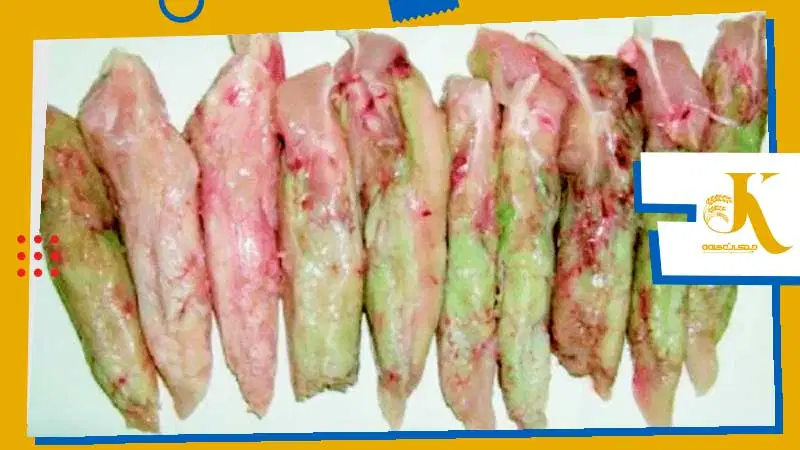
- Reduced Visual Quality and Consumer Rejection: The most significant impact is the discoloration of the breast fillet muscle to green, gray, or brown. Consumers naturally refuse to purchase and consume meat with an abnormal and unappetizing color, even if it’s hygienically safe. This undesirable appearance is the main factor leading to decreased customer trust and a drop in final product sales.
- Economic Losses and Reduced Profitability: Since the damaged and discolored muscle is not marketable, it must be removed from the carcass. This removal of the valuable breast fillet, one of the most expensive and popular chicken parts, results in substantial economic losses for producers, slaughterhouses, and processors. The US poultry industry alone incurs millions of dollars in annual losses due to this condition.
- Decreased Carcass Value and Lower Grading: Chickens affected by green muscle disease, even if the rest of the carcass is healthy, receive lower quality grades at the slaughterhouse. This means selling at a reduced price and an overall decrease in the chicken’s economic value. In many cases, this defect is not detectable in whole carcasses due to its deep location but becomes apparent during the portioning process, leading to the removal of the affected part.
- Challenges in Portioned Chicken Markets: Given the growing consumer preference for portioned chicken, the detection of green muscle disease in processing plants and the removal of the affected parts have become more common. This trend, while delivering a safer final product to consumers, leads to increased waste and operational costs for the industry.
- No Health Concern for Consumers: A crucial point is that green muscle disease poses no health risk to humans and is not caused by infection or contamination. The remaining meat from the carcass, after removing the affected portion, is completely safe and edible. However, its appearance is so unappealing that very few would be willing to consume it.
In summary, green muscle disease is a major challenge for the poultry industry, directly impacting profitability not due to health concerns, but because of the product’s unacceptable appearance in the consumer market. Therefore, preventing this condition through proper management and stress reduction in poultry farms is of paramount importance.
Article: Broiler Rearing and Poultry Farm Guide FAQ
Is Consuming Chicken with Green Muscle Disease (Green Chicken Meat) Dangerous?
One of the most significant concerns and common questions about Green Muscle Disease or Deep Pectoral Myopathy (DPM) in chicken is whether consuming the affected meat is dangerous for human health. The short and definitive answer to this question is: No, green muscle disease (green chicken meat) is not harmful to human health, and its consumption poses no health risks.
This assurance stems from several scientific and public health aspects:
- Non-Infectious Nature of the Disease: Green Muscle Disease (DPM) is a physiological, non-infectious condition. This means its causative agent is neither bacteria, viruses, fungi, nor parasites. In fact, this disease results from a physical reaction to stress and oxygen deficiency in the chicken’s breast fillet muscle, leading to necrosis (tissue death). No pathogens are involved in its development that could be transmitted to humans or cause illness.
- Degenerative Process: The discoloration of the muscle to green, gray, or brown is due to the natural degradation of proteins within the dead tissue (especially hemoglobin and myoglobin). This process is similar to the color changes observed in a bruise on the human body over time. This discoloration is simply a visual sign of tissue damage and does not indicate the presence of toxins or harmful substances.
- No Impact on Overall Carcass Health: When the breast fillet muscle develops green muscle disease, only that limited section is affected. Other parts of the chicken carcass, including the main breast muscle, thighs, and wings, remain completely healthy and unaffected. In slaughterhouses and processing facilities, the affected green muscle disease portion is easily identified and removed, and the rest of the meat enters the consumption chain as normal. These measures ensure that the final product presented to the consumer is of complete quality and safety.
- Aesthetic Nature of the Problem: The primary reason for removing green meat from the human consumption chain is its aesthetic unacceptability to consumers. The unusual color and unappetizing appearance of this meat make it aesthetically unappeasing, and customers are unwilling to purchase it. Therefore, the economic losses resulting from green muscle disease are not due to health hazards but solely because of issues related to the product’s visual quality and marketability.
In conclusion, it can be confidently stated that consuming chicken meat from which the green muscle disease affected portion has been removed is completely safe and harmless. Even if a discolored muscle portion is inadvertently consumed, there will be no adverse health consequences for humans. Awareness of this fact can help reduce unnecessary concerns among consumers.
What Can Be Done: Comprehensive Strategies for Preventing Green Muscle Disease in Poultry
Preventing Green Muscle Disease (Deep Pectoral Myopathy – DPM) in the broiler chicken industry is a key challenge. Despite posing no risk to live bird health and being difficult to detect until processing, it leads to significant economic losses. Since this condition primarily results from stress and excessive muscle activity, which cause oxygen deficiency in the breast fillet, precise and comprehensive farm management is the best defense. The main focus is on reducing stressors throughout the rearing period to ensure final product quality and farm profitability.
Environmental Management and Stress Reduction:
- Strict Noise Control: Loud and unexpected noises are major triggers for sudden wing flapping in birds. To maintain flock calmness, keep the rearing environment as quiet as possible. This includes preventing unnecessary personnel entry and abrupt movements of vehicles or noisy machinery near poultry houses. Even activities like lawn mowing near the houses should be postponed during sensitive hours, especially if you have a nervous and active flock, to prevent startling the birds.
- Optimal and Gradual Lighting: Birds respond to increased light intensity with higher activity levels. Using regular and preferably gradual lighting programs (with dimmers or sunrise/sunset systems) can help maintain calmness and reduce unnecessary activities. Suddenly increasing light levels (e.g., from 0.03 or 0.04 foot-candles to full light) with a single switch should be strictly avoided; it’s better to increase light levels incrementally.
- Optimal Ventilation and Air Quality Control: Proper ventilation in poultry houses is crucial for maintaining air quality, controlling temperature and humidity, and preventing the accumulation of harmful gases like ammonia. Poor ventilation leads to increased temperature and humidity, as well as elevated ammonia levels. These undesirable environmental conditions impose significant physiological stress on the birds, disrupt their calmness, and can increase irritability and the tendency for intense wing flapping, drastically raising the risk of green muscle disease.
- Temperature and Humidity Control: Maintaining optimal temperature and preventing severe thermal fluctuations, especially during hot parts of the day or warm seasons, can help reduce heat stress and, consequently, aggressive behaviors and wing flapping. Appropriate humidity also plays a role in reducing stress and maintaining litter quality.
Flock Density Management:
- Maintaining Optimal Density: Proper bird density in the poultry house is of particular importance. Excessive density not only increases stress and competition for feed and water but also eliminates sufficient space for birds to move calmly, increasing the likelihood of collisions, sudden movements, and wing flapping.
- Flock Density Management During Power Outages: During power outages, when ventilation systems cease to function, high density can rapidly lead to heat stress and oxygen deprivation. In such situations, temporary density reduction (if possible) or opening vents and doors for natural ventilation (while maintaining biosecurity) can help reduce stress and prevent muscle damage. Planning for emergency ventilation systems is also critical.
Proper Nutrition Management:
- Precise and Balanced Feeding Program: Balanced nutrition, appropriate for the bird’s growth stage, is vital, especially in the final weeks when weight gain is rapid. The goal is to support healthy growth without imposing excessive strain on the musculoskeletal system. The feeding program should meet the bird’s needs while preventing overly rapid growth and disproportionate muscle mass increase.
Handling and Catching Techniques:
- Gentle and Calm Handling: One of the most sensitive stages for preventing green muscle disease is handling and catching birds (e.g., for vaccination or transfer to the slaughterhouse). Using calm and stress-free methods for catching and carrying birds is highly important. Running, shouting, or any rough action that spooks birds and causes intense wing flapping must be strictly avoided.
- Caution in Sensitive Areas: Extra caution should be exercised near migration fences or areas where birds tend to pile up, especially if birds are quickly put under pressure.
- Reduced Lighting During Catching: Working with the minimum amount of light that allows tasks to be performed (removing mortalities, checking equipment, repairs, etc.) helps maintain bird calmness and prevents severe wing flapping.
Breed Selection and Weight Management:
- Selecting Less Susceptible Breeds: In broiler breed selection, assessing susceptibility to Deep Pectoral Myopathy (DPM) is important, although the industry’s focus on high breast meat yield limits options. A study in Italy, published in the Poultry Science Journal, on Ross 508 and Cobb 500 strains showed an average DPM incidence of about 0.84%. The key finding of this research was a significantly higher DPM incidence in Ross 508 (1.27%) compared to Cobb 500 (0.35%), indicating that Ross 508 is more susceptible to this disease. Additionally, another study in Turkey, published in the European Poultry Science journal, reported a 0.73% DPM incidence in the Ross 308 strain; in that study, this incidence was found to be independent of slaughter weight. In summary, both Ross strains (508 and 308) are susceptible to DPM due to their rapid growth and high breast volume.
- Slaughter Weight Management: Given that green muscle disease incidence is directly related to increased bird weight, in some cases (especially in free-range or pasture systems where environmental stress control is more challenging), birds may need to be slaughtered at slightly lower than target maximum weights to reduce the risk of DPM.
- Slaughter Weight Management: Given that green muscle disease incidence is directly related to increased bird weight, in some cases (especially in free-range or pasture systems where environmental stress control is more challenging), birds may need to be slaughtered at slightly lower than target maximum weights to reduce the risk of DPM.
By focusing on these management strategies and creating a calm, stress-free rearing environment, producers can significantly prevent the occurrence of green muscle disease and ensure the quality and economic value of their chicken meat. This proactive approach is the best response to the growing challenge of green muscle disease in the poultry industry.
Article: To get to know the Cobb, Ross, Arbor Acres Plus, and Arian broiler breeds, click on the link for each.